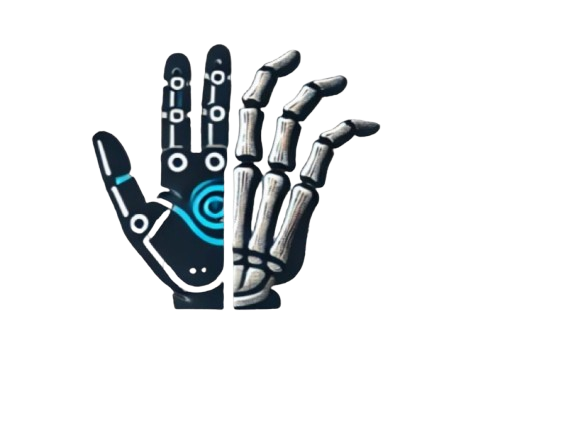
Prosthetic: A medical device that replaces a missing or damaged body part, restoring or enhancing bodily functions. Modern prosthetics often integrate advanced technologies such as artificial intelligence or neural interfaces.
Bionic Prosthetic: Cutting-edge prosthetics that mimic the natural functions of a human limb using robotic and biomimetic technologies. Bionic prosthetics often allow movements controlled by thought through neural interfaces.
Artificial Intelligence (AI): A set of technologies that enable machines or software to simulate human cognitive functions such as learning, reasoning, and problem-solving. AI is often used in modern prosthetics to make their use more intuitive.
Human Augmentation: The use of advanced technologies (such as prosthetics, implants, and exoskeletons) to enhance an individual's physical, cognitive, or sensory abilities beyond natural limits.
Cyberpunk: A science fiction genre focused on the interaction between advanced technology, such as artificial intelligence and cybernetic implants, and a dystopian society often dominated by large corporations. Neuromancer is a classic example of this genre.
Neural Interface: A technology that connects the human brain directly to a machine, such as a bionic prosthetic, allowing the user to control devices with their thoughts.
Transhumanism: A philosophical and intellectual movement advocating for the use of technologies to enhance human physical and mental capabilities, surpassing natural biological limits.
Cyberspace: A term popularized by William Gibson in Neuromancer, referring to a virtual space where individuals can interact with digital data via neural interfaces or technological implants.